 English
 Français
 Español
 Deutsch
 Italiano
 العربية



Tel
:+86-755-86961139
E-Mail
:sales@vivo-light.com

Anmerkung der Redaktion: Dieser Artikel nutzt veröffentlichte Literatur zur Venenvisualisierung und Nahinfrarot-Visualisierung als technischen Hintergrund. Die klinischen Ergebnisdaten stammen speziell aus der Studie von Kou et al. aus dem Jahr 2017 und dem in dieser Studie evaluierten Gerät. Die genannten Referenzen implizieren nicht, dass alle PProjektionsvenenfinder Die Systeme weisen identische klinische Leistung auf.
Die periphere Venenpunktion kann bei älteren Patienten eine Herausforderung darstellen, insbesondere wenn die Venen durch herkömmliche visuelle Inspektion und Palpation schwer zu identifizieren sind.[1]
In der Literatur wurden Nahinfrarot- und andere Visualisierungsverfahren als Techniken diskutiert, die zusätzliche Informationen während der peripheren Venenpunktion und der Venenlokalisierung liefern können.[3,5,7]
Eine veröffentlichte klinische Studie, die im Xuanwu-Krankenhaus der Capital Medical University durchgeführt wurde, untersuchte die Nahinfrarot-Visualisierung-gestützte Venenpunktion bei 160 älteren Patienten mit schwierigem peripherem Venenzugang. In der Studie wurde ein spezielles Projektions-Infrarot-Venenbildgebungsgerät verwendet. Es wurden Unterschiede im Erfolg der Punktion beim ersten Versuch, in der Punktionszeit und in der Punktionsstelle zwischen der visualisierungsgestützten und der konventionellen Gruppe berichtet.[1]
Altersbedingte Veränderungen der Blutgefäße und der Haut können den peripheren Venenzugang erschweren. Die veröffentlichte Studie beschrieb Merkmale wie dickere und härtere Venenwände, engere Gefäßlumina, verminderte Gefäßelastizität, erhöhte Gefäßfragilität und lockereres Hautgewebe.[1]
In der Studie wurde ein schwieriger peripherer Gefäßzugang als ein Zustand definiert, in dem der Verlauf des peripheren Gefäßes weder durch visuelle Inspektion noch durch Palpation bestimmt werden konnte.[1]
In der bisherigen Literatur wurden auch Faktoren untersucht, die die periphere Venenpunktion beeinflussen, sowie die Entwicklung visualisierungsgestützter Verfahren. Damit wurde der Hintergrund für den Einsatz zusätzlicher Venenlokalisierungstechnologien geschaffen.[2,7]
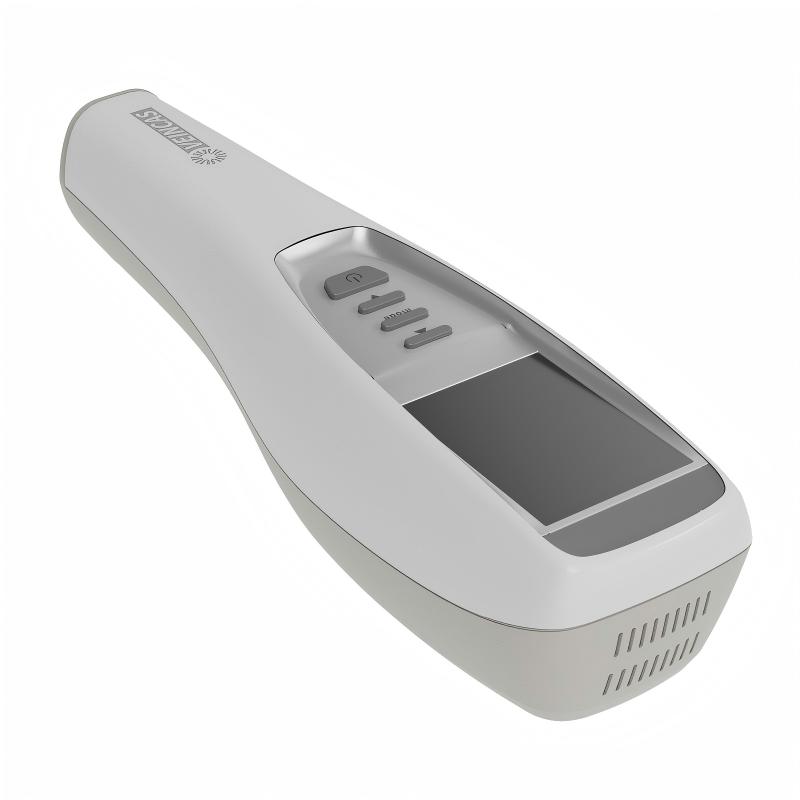
Die Venenvisualisierung mittels Nahinfrarot kann zusätzliche Informationen zur Unterstützung der Venenbeurteilung vor der Venenpunktion liefern.[1,3,5,7]
In der bisherigen Literatur wurden insbesondere die projektionsbasierte Infrarot-Gefäßbildgebung für die Venenpunktion und die klinische Anwendung von Visualisierungstechnologien diskutiert.[3,7]
Verwandte Forschungsarbeiten beschreiben auch die Konstruktion und Anwendung tragbarer Venenvisualisierungsgeräte und veranschaulichen damit die breitere Entwicklung von Hilfstechnologien zur Beurteilung oberflächlicher Venen.[4,5]
In der in diesem Artikel besprochenen klinischen Studie aus dem Jahr 2017 verwendete die visualisierungsgestützte Gruppe ein Projektions-Infrarot-Venenbildgebungsgerät, um den Gefäßverlauf und die Tiefe zu beurteilen und Gefäßäste vor der peripheren Venenpunktion zu identifizieren.[1]
Die Forscher nutzten außerdem den Tiefenmodus des Geräts, um die Gefäßtiefe abzuschätzen und den Nadeleinführungswinkel anzupassen.[1]
Die Venenvisualisierung sollte als Ergänzung zur professionellen klinischen Beurteilung und nicht als Ersatz für Venenpunktionsfähigkeiten oder klinisches Urteilsvermögen betrachtet werden.
Die Studie wurde 2017 im Chinese Journal of Modern Nursing veröffentlicht.[1]
Forscher wählten 160 stationäre Patienten über 60 Jahre mit schwierigem peripherem Venenzugang im Xuanwu-Krankenhaus der Capital Medical University aus. Die Patienten wurden nach dem Zufallsprinzip einer Beobachtungsgruppe und einer Kontrollgruppe mit jeweils 80 Patienten zugeteilt.[1]
Die Kontrollgruppe unterzog sich einer herkömmlichen Venenuntersuchung mittels visueller Inspektion und Palpation, während bei der Beobachtungsgruppe eine Venenuntersuchung und periphere Venenpunktion mit Unterstützung eines Projektions-Infrarot-Venenbildgebungsgeräts durchgeführt wurde.[1]
Beide Gruppen verwendeten BD 24G Sicherheits-Peripherie-Venenkatheter, und die Eingriffe wurden von geschulten Gefäßzugangs-Krankenschwestern durchgeführt.[1]
In der Studie lag die Erfolgsrate der Venenpunktion beim ersten Versuch in der visualisierungsgestützten Gruppe bei 91,25 % (73/80), verglichen mit 43,75 % (35/80) in der konventionellen Gruppe. Der Unterschied war statistisch signifikant (χ² = 43,495, p < 0,05). < 0,01).[1]
Diese Ergebnisse legen nahe, dass unter den in dieser Studie untersuchten Bedingungen die Unterstützung durch Nahinfrarot-Visualisierung mit einer höheren Erfolgsrate bei der Venenpunktion im ersten Versuch bei älteren Patienten mit schwierigem peripherem Venenzugang verbunden war.[1]
Dieses Ergebnis sollte nicht als garantierte Erfolgsquote für alle Patienten, Gesundheitseinrichtungen, Anwender oder Projection Vein Finder-Systeme interpretiert werden.
Die Studie berichtete auch über einen Unterschied in der mittleren Punktionszeit. Die Gruppe mit Visualisierungsunterstützung wies eine mittlere Punktionszeit von 3,7 ± 1,8 Minuten auf, verglichen mit 5,6 ± 3,2 Minuten in der konventionellen Gruppe (t = 4,629, p < 0,05). < 0,01).[1]
Die Ergebnisse lassen darauf schließen, dass die Visualisierung mittels Nahinfrarot dazu beitragen kann, die Punktionszeit bei der in dieser Studie untersuchten spezifischen älteren Patientengruppe zu verkürzen.[1]
Die tatsächliche Eingriffsdauer kann je nach Patienteneigenschaften, Gefäßbedingungen, Erfahrung des Operateurs, klinischem Arbeitsablauf und anderen Faktoren variieren.
Die Studie untersuchte auch die Punktionsstelle. Bei 72,5 % der Patienten (58/80) in der visualisierungsgestützten Gruppe wurde die Punktion in einer Unterarmvene durchgeführt, verglichen mit 27,5 % (22/80) in der konventionellen Gruppe.[1]
Die Forscher schlugen vor, dass die Nahinfrarot-Visualisierung Krankenschwestern dabei helfen könnte, Unterarmvenen zu identifizieren, die mit herkömmlichen Methoden möglicherweise schwer zu beurteilen sind.[1]
Die Wahl der Punktionsstelle sollte weiterhin auf einer fachlichen Beurteilung, dem Zustand des Patienten, den Behandlungserfordernissen, den Gefäßeigenschaften und den anwendbaren klinischen Protokollen basieren.
In der veröffentlichten Literatur wurden verschiedene Aspekte der visualisierungsgestützten Venenpunktion untersucht, darunter die Entwicklung von Hilfsgeräten, die Projektions-Infrarot-Gefäßbildgebung und klinische Anwendungen von Visualisierungstechnologien.[3,4,5,7]
In einem Review aus dem Jahr 2014 wurden die Fortschritte bei Hilfsmitteln für die visualisierte Punktion oberflächlicher Venen erörtert.[5] Ein Review aus dem Jahr 2015 fasste die klinischen Anwendungen von Visualisierungstechniken für die Venenpunktion zusammen, einschließlich der Gefäßbildgebung und anderer Visualisierungsansätze.[7]
Eine Studie aus dem Jahr 2016 untersuchte speziell die Venenpunktion mithilfe eines Projektions-Infrarot-Gefäßbildgebungsgeräts.[3] Eine weitere Veröffentlichung aus dem Jahr 2017 berichtete über die Entwicklung und Anwendung eines neuen tragbaren Venenvisualisierungsgeräts.[4]
Diese Publikationen liefern technische und klinische Hintergrundinformationen zum Verständnis der Entwicklung von Venenvisualisierungstechnologien. Ihre Ergebnisse sollten jedoch nicht zu einer einzigen Leistungsaussage für jede Vene zusammengefasst werden. Infrarot-Projektions-Venenfindergerät.
Bei der Bewertung klinischer Belege für die Projection Vein Finder-Technologie ist es wichtig, zwischen Belegen für die breitere Technologiekategorie und Ergebnissen, die mit einem spezifischen Gerät erzielt wurden, zu unterscheiden.
Die stärksten numerischen Belege, die in diesem Artikel präsentiert werden, stammen aus der Studie von Kou et al. aus dem Jahr 2017, in der ein spezielles Projektions-Infrarot-Venenbildgebungsgerät bei 160 älteren Patienten mit schwierigem peripherem Venenzugang evaluiert wurde.[1]
Die übrigen zitierten Publikationen dienen in erster Linie dazu, Hintergrundinformationen zur visualisierungsgestützten Venenpunktion, zu Hilfsmitteln, zur projizierten Infrarot-Gefäßbildgebung und zu verwandten klinischen Anwendungen bereitzustellen.[3,4,5,7]
Die numerischen Ergebnisse der Studie von Kou et al. sollten daher dieser Studie zugeschrieben werden und nicht als universelle Leistungsdaten für jeden Projektionsvenenfinder präsentiert werden.[1]
Weitere Untersuchungen mit unterschiedlichen Patientenpopulationen, klinischen Umgebungen, Anwendern und Venenvisualisierungssystemen könnten zusätzliche Erkenntnisse über die breitere klinische Anwendung der Projection Vein Finder-Technologie liefern.
F: Was ist ein Projektionsvenenfinder?
A: Ein Projektionsvenenfinder ist ein Venenvisualisierungsgerät, das zusätzliche visuelle Informationen über oberflächliche Venen liefert und medizinischem Fachpersonal hilft, potenzielle Venenpunktionsstellen zu beurteilen.
F: Kann ein Venenfinder mit Projektionsfunktion bei schwierigen Venenpunktionen helfen?
A: In der veröffentlichten Literatur wurden visualisierungsgestützte Venenpunktionen untersucht, darunter Nahinfrarot- und Projektionsinfrarotverfahren.[3,5,7] In einer Studie mit 160 älteren Patienten mit schwierigem peripherem Venenzugang wies die visualisierungsgestützte Gruppe eine höhere Erfolgsrate beim ersten Versuch auf als die konventionelle Gruppe.[1]
F: Wie hoch war die Erfolgsquote beim ersten Versuch in der Studie?
A: Die Studie berichtete von einer Erfolgsrate beim ersten Versuch von 91,25 % in der visualisierungsgestützten Gruppe und 43,75 % in der konventionellen Gruppe.[1] Diese Zahlen beziehen sich speziell auf die Studienpopulation, das klinische Protokoll, die Anwender und das in dieser Studie untersuchte Gerät.
F: Ersetzt ein Venenprojektionsgerät das klinische Urteilsvermögen?
A: Nein. Ein Venenvisualisierungsgerät liefert zwar zusätzliche Informationen zur Unterstützung der Venenbeurteilung, aber Angehörige der Gesundheitsberufe sollten weiterhin ihr klinisches Urteilsvermögen, die Gefäßbeurteilung, patientenspezifische Gegebenheiten und die entsprechenden klinischen Protokolle anwenden.
F: Sind die berichteten klinischen Ergebnisse auf alle Projektionsvenenfinder anwendbar?
A: Nicht unbedingt. Die hier zitierte klinische Hauptstudie untersuchte ein spezifisches Infrarot-Projektionsgerät zur Venendarstellung. Ihre Ergebnisse liefern zwar Belege für die untersuchte klinische Anwendung, sollten aber nicht automatisch als Leistungsdaten für jedes Projektions-Venensuchgerät interpretiert werden.
[1] Kou JL, Yang Y, Cao F, Han B. Auswirkungen der Nahinfrarot-Visualisierungs-Punktionstechnologie bei älteren Patienten mit Schwierigkeiten bei der Venenpunktion. Chinese Journal of Modern Nursing. 2017;23(32):4159–4161. DOI: 10.3760/cma.j.issn.1674-2907.2017.32.025.
[2] Tan HL. Forschungsfortschritte zur Verbesserung der Erfolgsrate von intravenösen Infusionspunktionen. Journal of Minimally Invasive Medicine. 2012;7(3):288–290. DOI: 10.3969/j.issn.1673-6575.2012.03.032.
[3] Dai JL. Evaluation der Venenpunktion mittels eines Projektions-Infrarot-Gefäßbildgebungsgeräts. Today Nurse. 2016;7:141. [Chinesisch].
[4] He FJ, Chen J, Wang XY, et al. Design und Anwendung eines neuen tragbaren Venenvisualisators. Chinese Journal of Modern Nursing. 2017;23(10):1391–1394. DOI: 10.3760/cma.j.issn.1674-2907.2017.10.014.
[5] Zhang B, Gui L, Liu JJ, et al. Fortschritte bei Hilfsmitteln für die visuelle Punktion oberflächlicher Venen. Chinese Medical Equipment Journal. 2014;35(3):114–116. DOI: 10.7687/J.ISSN1003-8868.2014.03.114.
[6] Han T, Wang YL, Xu M. Anwendung der Ultraschallführung bei peripheren Venenzugängen: Eine Metaanalyse. Chinese Journal of Modern Nursing. 2017;23(8):1105–1108. DOI: 10.3760/cma.j.issn.1674-2907.2017.08.017.
[7] Cai YL. Fortschritte bei der klinischen Anwendung von Visualisierungstechniken in der Venenpunktion. Journal of Minimally Invasive Medicine. 2015;10(6):785–788. DOI: 10.11864/j.issn.1673.2015.06.22.
[8] Yao SL, Wang J. Visualisierungstechnologie – revolutionäre Veränderungen in der klinischen Anästhesie. Modern Practical Medicine. 2014;26(2):121–122. DOI: 10.3969/j.issn.1671-0800.2014.02.001.
Hinweis zur Verwendung der Referenzen: Die Referenzen [2], [3], [4], [5], [7] und [8] sind als Hintergrundliteratur aus dem Literaturverzeichnis der Originalpublikation aufgeführt. Sie dienen ausschließlich der Untermauerung der allgemeinen Hintergrundaussagen, für die sie zitiert werden. Die quantitativen klinischen Ergebnisse in diesem Artikel stammen speziell aus [1]. Referenz [6] befasst sich mit ultraschallgeführten peripheren Venenpunktionen und wird nicht zur Untermauerung der Leistungsangaben zu Nahinfrarot- oder Projektionsvenenfinder-Verfahren in diesem Artikel herangezogen.
Eine Nachricht hinterlassen
Scannen zu WhatsApp :


 IPv6 NETZWERK UNTERSTÜTZT